Yes, climate change is occurring. But isn’t it just one problem that doesn’t necessarily affect our lives, but rather just minor inconveniences? No. This is not true. If we look to countries other than the United States, this can especially be seen. For example, we’re going to look at Afghanistan.
When the Middle East is mentioned in conversation, many people think of violence, war, and groups like ISIS that wreak havoc in their home nations. Yet, climate change is also wreaking havoc in these countries. Afghanistan may be one of the most vulnerable countries to climate change, yet it really is not equipped to protect itself and its people. Experts claim that in the near future, drought, flood, avalanches, landslides, conflict, child marriage, and other common problems in Afghanistan, are set to continue and even worsen, partly because of climate change.
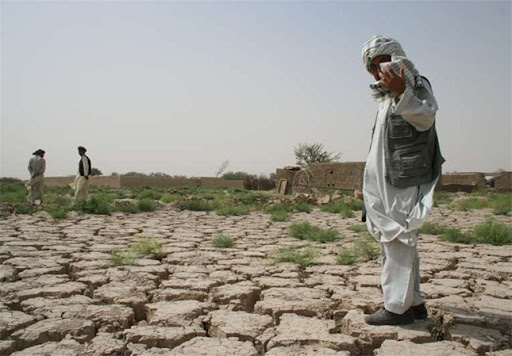
The United Nations Environment Programme predicts that about 80 percent of conflict in the country is over land, water, and resources. Unfortunately, these three areas are hard hit by climate change.
Just in 2018, Afghanistan experienced one of its most disastrous droughts, losing food supplies in abundance, now forcing many families to survive on a meal or less a day. It is estimated that 13.5 million people in the country remain severely food insecure.
Temperatures in the country continue to rise. It is estimated by Afghanistan’s National Environmental Protection Agency that temperatures could rise by 5 degrees Fahrenheit by the year 2100. Afghanistan, already known for its severely dry and hot areas, could not afford such a change. It would lead to more evaporation, and water sources that are necessary for survival would be in danger.
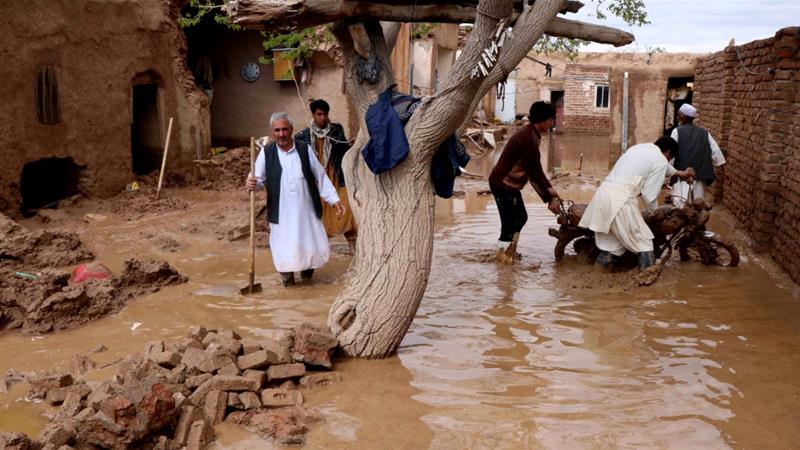
Unfortunately, water supply is already a major issue. Many families are forced to dig holes in the ground in hopes of collecting rainwater and melted snow. Their bodies are dying for fresh water in abundance. Yet, too much water has also been a problem, usually in the form of flooding. The Hindu Kush mountains border many towns and villages in Afghanistan. The International Center for Integrated Mountain Development predicts that more than a ⅓ and as much as ⅔ of the ice-capped mountains could be melted and lost in the near future. Such flowing water causes flooding and washes away dams, fields, and villages, costing some people their lives.

Some countries that are less fortunate than the United States are having even bigger problems with climate change. The early effects of humans’ actions can be seen in the hardships of people in countries such as Afghanistan. Looking at the disastrous events, how much more must we as people see before we take real action?
 Coleman's blog