Antarctica : Vast Ice, Vast Impacts

Imagine raising a body of water 1.5 meters. This isn’t too hard if it’s just a bathtub, or a pool. It would just require some outside water and some patience. Now, imagine it’s the entire ocean body on planet Earth. This would take more than just some patience. However, it could all occur in effect of the deepest glacier on planet Earth that is melting at alarming rates. 

Denman Canyon is the deepest land gorge on planet Earth, reaching 3500 meters below sea-level. For comparison, the next deepest area recognized by most people is the shores around the Dead Sea in the Middle East, that reaches about 430 meters below sea level. The difference is astounding. You may ask yourself why you have never heard of this “Denman Canyon” then if it’s such a world wonder. 

Denman Canyon (vertical exaggeration x 5)
Fig. 1 : Jonathan Amos – BBC News

Well, it is located in Antarctica. The bare continent to our South pole is made up of snow, ice, and barren wasteland. Yet, it may be the biggest problem for our world during this period of climate change. Denman Canyon is on the edge of the Eastern Antarctic Ice Sheet (EAIS), which is sneakily becoming a major problem in regards to melting ice and rising sea levels. 

In response to the rising temperatures, rising sea water temperatures specifically, the Denman Canyon is in danger of melting to astronomical levels. The glacier’s reach has receded up to 6 kilometers over the past twenty years or so. There is a flaw in the Canyon’s structure that allows warm ocean water to find its way to the inner core of Denman, and cause significant melting. Scientists have been using various instruments and tactics to gather information on Denman Canyon, including mounting seals with instruments as they dive in the area. As Dr. Emma Smith, of the Alfred Wegener Institute in Germany states, “We need to make more observations beneath the ice shelves and margins of East Antarctica.”

She says East Antarctica because not only is Denman Canyon looming a large threat, but there is also the Totten Glacier. The glacier is thinning at about half a metre a year, an effect of unchecked climate change and overall warmer ocean water. Scientists claim that if the Totten Glacier is put into an unstable configuration as a result of the drastic changes in environments, the ice loss could push up global oceans by 2 meters or more. 

Totten Glacier
Fig. 2 : Jonathan Amos – BBC News

These relatively uncommon areas of Antarctica could drastically change our world as we know it. If not checked, our actions could have detrimental consequences. Beaches would be gone, towns flooded, oceans rising, habitats changed. 

Going forward, try to slow climate change. Individually, we have to make our own difference, and hope the rest of the world follows suit.
Image result for climate change
Fig. 3 : David Biello – Scientific American

Coronavirus Checks Climate Change

The coronavirus is likely the biggest health pandemic the current generation has experienced so far in their lives. Yet, is it too much to say that there are some positives arising from the virus completely spreading across the globe? It may be, but it has shined some light on the weaknesses of many countries’ economies when not put under the stress of a major issue like the COVID-19 spread. I am talking about the environmental impacts.

Fig. 1 : Rebecca Wright, CNN

China is known for its poor air condition, with many citizens wearing masks throughout their normal day. Yet, the lockdown that occurred in many areas in response to the coronavirus spread has had some unforeseen consequences. Air quality is increasing. According to China’s ministry of Ecology and Environment, the average number of “good quality air days” increased by more than 20% in the month of February compared to February of 2019. Nitrogen dioxide, the emission from burning fossil fuels in vehicles, power plants, and other industrial facilities, can be tracked by satellite. There has been a dramatic drop-off over a huge area of the country of China in nitrogen dioxide levels, as seen in the maps produced by NASA and the European Space Agency. The same can be said about carbon dioxide emissions produced by burning other fossil fuels such as coal. China, being the world’s biggest polluter, contributes about 30% of the world’s carbon dioxide emissions annually. However, there has been at least a 25% decrease in the last month of China’s carbon dioxide emissions, a huge bright spot for the world’s emission levels. 

Fig. 2 : Rebecca Wright, CNN

China is not only decreasing emission levels, but also may be saving lives outside of the virus by taking part in the lockdowns. Stanford University researchers claim that between 50,000 and 75,000 people will live longer and not die prematurely in response to air pollution because of the drastic recent changes. There is a strong connection between high levels of air pollution and premature deaths. That risk for many citizens was mitigated in response to the COVID-19 outbreak.

Italy is another country that is finding environmental benefits to their lockdown status in response to the coronavirus outbreak. Nitrogen dioxide levels are decreasing across the country, along with other harmful emissions. Yet, in addition, there are other unforeseen circumstances occurring. The famous framed waterways of Venice, Italy are becoming clearer. Known for their gondola rides, the water has been continuously murky and dirty as tourists and travelers ride through the pathways endlessly. Yet, with the current lockdown, locals claim the water is as clear as it has been in 60 years. Little fish can be seen swimming through the channels, and swans have returned to their peaceful waterways, events that have not occurred in a long time. 

Image result for clear venice water
Fig. 3 : Gavin Evans, Complex

I’m not saying that the coronavirus has been beneficial to the world. Yet, it has shined a spotlight on what humans can change with their actions. Climate change can be slowed and stopped with human intervention. It just takes some effort.

Image result for climate change
Fig. 4 : David Biello, Scientific American

Climate Change Weapons

We all know that the Earth is changing. Temperatures are rising up, new viruses are spreading, the landscape is dying or reimagining. Yet, climate change isn’t being fought. It isn’t being tackled like a war with an enemy. In order to best battle climate change, we need to use weapons just like we soldiers use guns, tanks, and grenades. 

Scientists are recommending four weapons in our war against climate change. Fighting climate change has to be treated as World War III, and we can’t fight this world war without some serious weapons. The following four were mentioned by a group of experts in physics, geology, climate systems, and others alike areas.

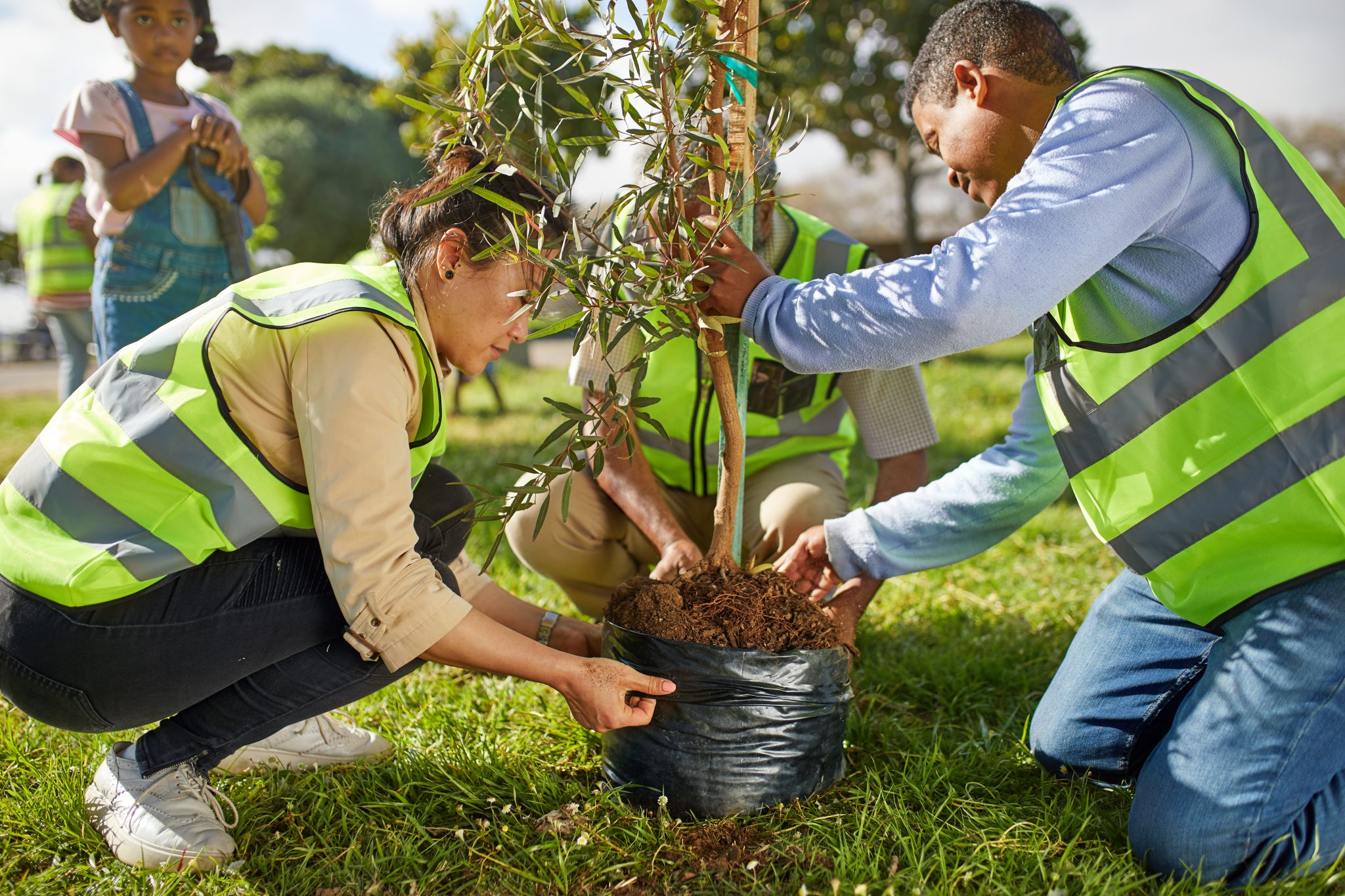
The first weapon is to plant more trees. And not just a few in a backyard, but a LOT more trees. Recent research on the restoration of the Earth that trees cause has strengthened the need for this weapon. As the scientists state, “900 million hectares of additional tree cover could exist outside of already-established forests, farmland and urban areas – sufficient to store 25 percent of the current atmospheric carbon pool.” Those numbers are worldwide. More plants means less CO2. Less CO2 means a healthier planet. It’s simple. The worldwide population has to plant more trees. 

Image result for planting trees
Fig. 1 : Alabama Extension

The second weapon is turning carbon dioxide into rock. The process of carbon mineralisation involves turning carbon dioxide into carbonate minerals, many times paralleling the process that seashells and limestone are made naturally from. Think about it. Taking produced CO2 and making it into a useful building material. It seems like the perfect weapon. However, many techniques are being researched and proposed, and the kinks are still being solved. Yet, the future is bright if this weapon can become a main backbone in the war against climate change. 

Weapon three is making the Earth’s surface more reflective. Changing the reflectivity of surfaces can counteract planetary heating by reflecting sunlight back to space. Ideas such as painting a dark roof white, or planting paler crops fall under this weapon. In the end, a large scale change in reflectivity has the chance of decreasing temperatures by up to three degrees Celsius. 

Image result for white roof
Fig. 2 : Christian Science Monitor

The fourth and final weapon is reimagining transport. Look at Norway. The country incentives clean travel by offering rewards for zero-emission vehicles powered by hydrogen or electricity. Some examples include tax exemption and free parking in areas. In addition, the results are positive, as more than half of the cars sold in Norway in recent months were entirely electric-powered.

Image result for climate change
Fig. 3 : Scientific American

The scientists have given us the weapons to win World War III. Now, we all have to be better soldiers and use them.

Who is at the Front Line?

Climate change is what most people call it. Yet, at this point, it may be better put as climate crisis, or climate emergency. The world is changing at a rapid pace, and it is not just global warming. Global warming isn’t causing the polar vortexers, or the long, large droughts, or the increasingly common natural disasters, including hurricanes and typhoons. No one can really support that it is all fake at this point. The amount of times the words climate change are uttered nowadays are in the tens and hundred thousands daily. Climate change is real, and it’s affecting our planet. 

One effect of climate change are the record-breaking heat levels. The unprecedented levels of warming will only continue. The top seven hottest years on record for the entire globe have all occurred since 2010. That level is absurd! And, it’s only going to continue. This past January was Europe’s hottest first month of the year ever recorded. Additionally, according to the Bulletin of the American Meteorological Society, there is a 75% chance that every year up to 2028 will be featured in the top 10 hottest years of all time across the globe. Rising temperatures is a real thing, and it can no longer be ignored.

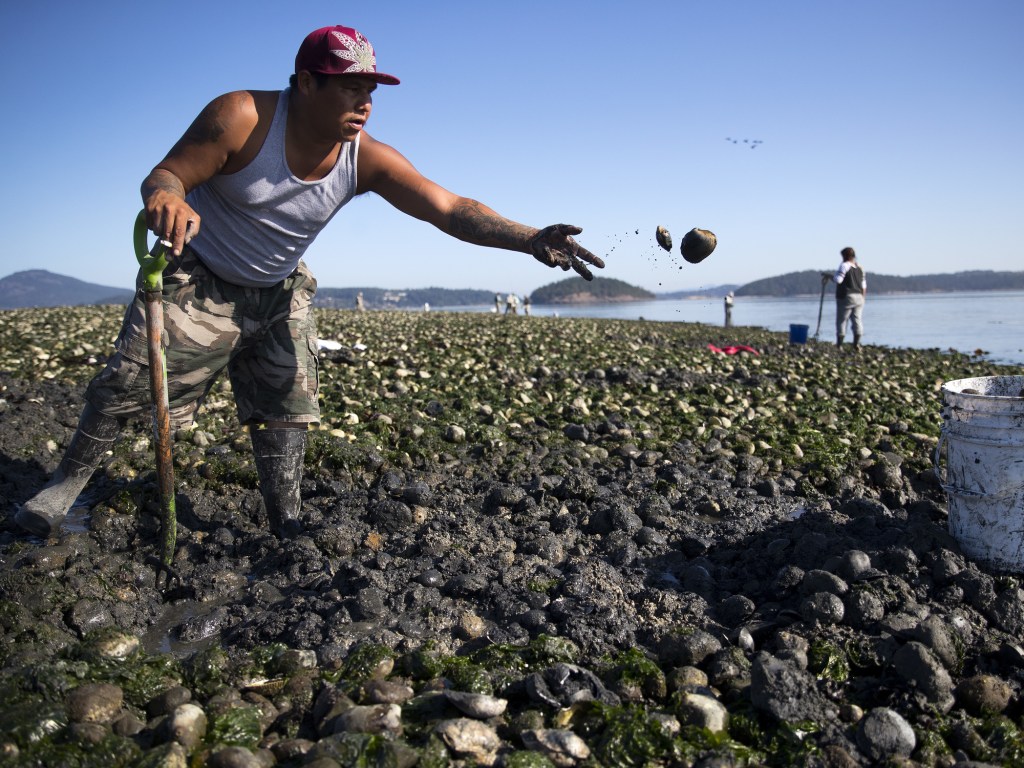
Some people are already taking action, including native tribes across North America, especially those located in Washington along the Pacific Ocean. The Swinomish tribe have been using tactics to battle climate change for the past decade or so. Publishing an action plan in 2010, they were one of the first to publish such a document in the United States. As Meade Krosby, a conservation biologist with the University of Washington’s Climate Impacts group says, “They’re early adopters and really innovative.” The tribe has been taking on multiple projects to preserve land and resources, among other things, in their surrounding environment. The Swinomish have attacked projects to protect salmon runs in the Skagit River, creating better spawning beds and planting trees to reduce river temperatures and provide shade. Another goal is to restore a healthy population of native Olympia oysters, whose ecosystem has been threatened with increasing pollution levels and other climate change factors.

Fig. 3 : Swinomish tribe member, Eilís O’Neill, MPRNews

The Swinomish are only one of the many tribes battling against climate change in their respective areas. The Tulalip tribes of Washington are redirecting agricultural runoff for electricity generation, while also solving disputes in the area with eco friendly solutions. The Kootenai Tribes of Montana are invested in planting more resistant plants to warming-related diseases including whitebark pine. 

Fig. 4 : Tulalip Tribe members, Tulalip Tribes – NSN

Native tribes are at the frontline of the climate change fight. Sometimes, I think we have to step back and ask ourselves, are we there with them?

Climate Changes, Life Changes

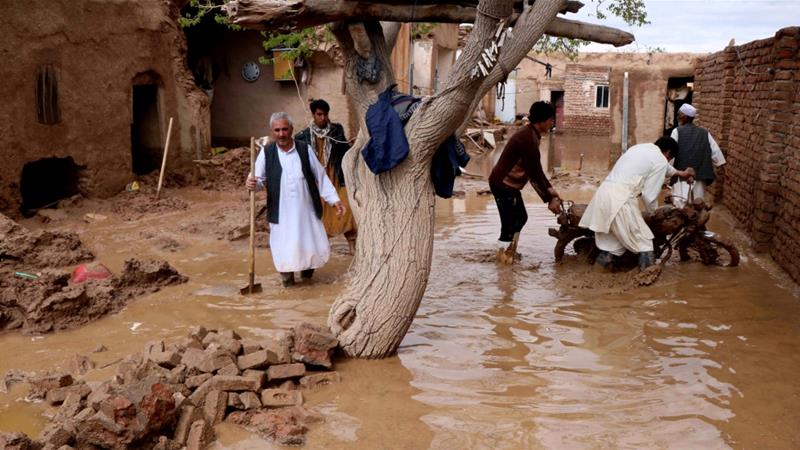
Yes, climate change is occurring. But isn’t it just one problem that doesn’t necessarily affect our lives, but rather just minor inconveniences? No. This is not true. If we look to countries other than the United States, this can especially be seen. For example, we’re going to look at Afghanistan. 

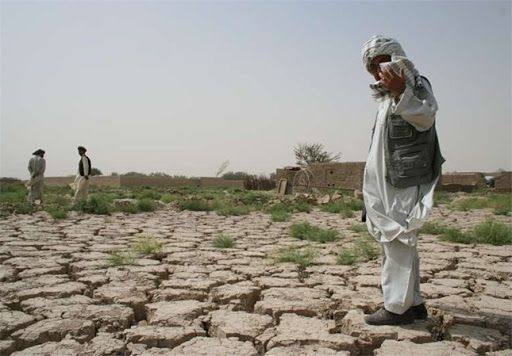
When the Middle East is mentioned in conversation, many people think of violence, war, and groups like ISIS that wreak havoc in their home nations. Yet, climate change is also wreaking havoc in these countries. Afghanistan may be one of the most vulnerable countries to climate change, yet it really is not equipped to protect itself and its people. Experts claim that in the near future, drought, flood, avalanches, landslides, conflict, child marriage, and other common problems in Afghanistan, are set to continue and even worsen, partly because of climate change.

Fig. 1 : Daily Outlook Afghanistan

The United Nations Environment Programme predicts that about 80 percent of conflict in the country is over land, water, and resources. Unfortunately, these three areas are hard hit by climate change. 

Just in 2018, Afghanistan experienced one of its most disastrous droughts, losing food supplies in abundance, now forcing many families to survive on a meal or less a day. It is estimated that 13.5 million people in the country remain severely food insecure.

Temperatures in the country continue to rise. It is estimated by Afghanistan’s National Environmental Protection Agency that temperatures could rise by 5 degrees Fahrenheit by the year 2100. Afghanistan, already known for its severely dry and hot areas, could not afford such a change. It would lead to more evaporation, and water sources that are necessary for survival would be in danger. 

Fig. 2: Alijazeera

Unfortunately, water supply is already a major issue. Many families are forced to dig holes in the ground in hopes of collecting rainwater and melted snow. Their bodies are dying for fresh water in abundance. Yet, too much water has also been a problem, usually in the form of flooding. The Hindu Kush mountains border many towns and villages in Afghanistan. The International Center for Integrated Mountain Development predicts that more than a ⅓  and as much as ⅔ of the ice-capped mountains could be melted and lost in the near future. Such flowing water causes flooding and washes away dams, fields, and villages, costing some people their lives. 

Some countries that are less fortunate than the United States are having even bigger problems with climate change. The early effects of humans’ actions can be seen in the hardships of people in countries such as Afghanistan. Looking at the disastrous events, how much more must we as people see before we take real action?

People with Power make Promises

As we look around the world today, it’s hard for normal citizens to make some serious change in their nation. The amount of power they have would take years and years to be put to good use in combating climate change. However, elected officials, at least in the United States, have the most power and are able to create the biggest changes. Senators, representatives, governors, mayors: these are the people that can snap their fingers (in a sense) and make the biggest changes in our environment. Climate change has to be taken seriously first, and the decisions of lawmakers should include a huge focus on environmental factors. 

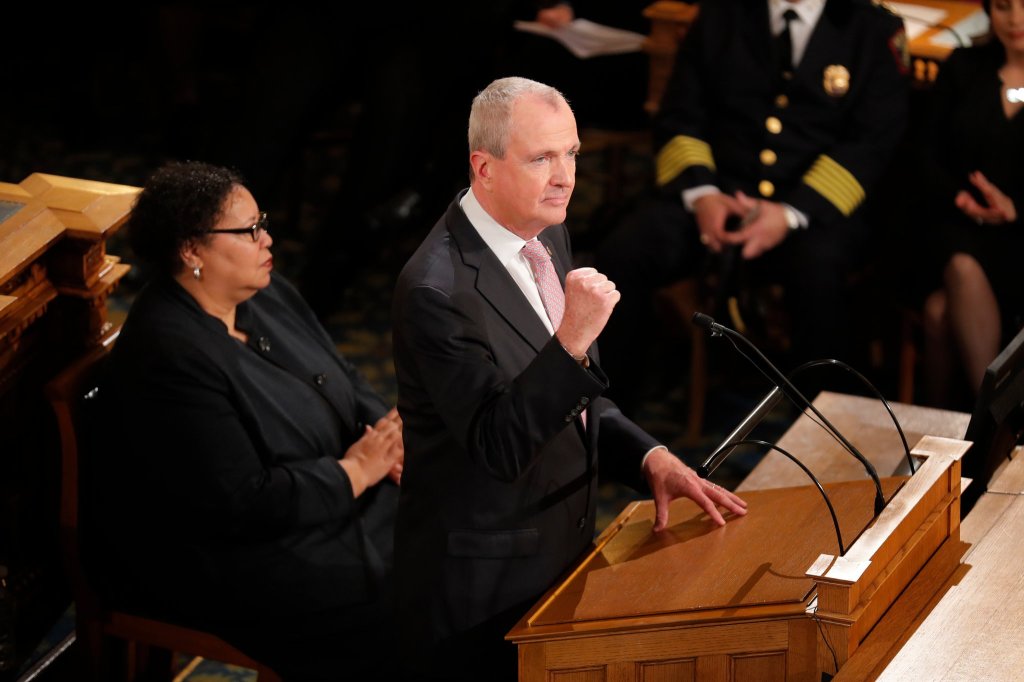
Fig 1: Gov. Philip D. Murphy, by Tracey Tully

In the past year, some officials have made statements and plans for their respective states that should combat climate change. Just this week, New Jersey Governor Philip D. Murphy, a Democrat, released a statement claiming that beginning in January 2022, New Jersey will “require that builders take into account the impact of climate change, including rising sea levels, in order to win government approval for projects.” Murphy claims that he knows the dangers that are upon us, and specifically ocean-sided states such as New Jersey. 

Fig 2 : PBS, WPSU

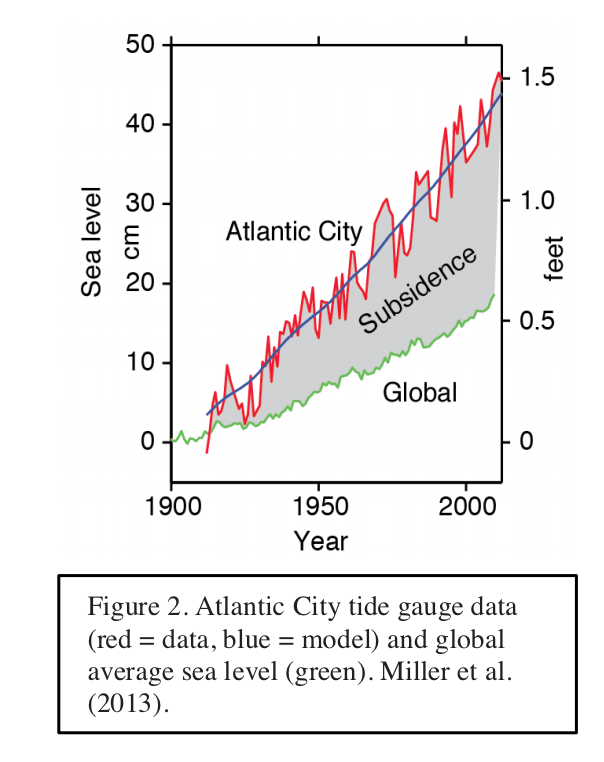
A study released by Rutgers in November found that the sea level in New Jersey is rising more than two times faster than the average across the rest of the globe. Over the past century, the sea level rose by 1.5 feet in New Jersey, while the global average is only 0.6 feet. As someone who vacations in South Jersey during the summer, I know that the coastal areas are having trouble with water. The coast seems to almost be sinking, as only a small rainstorm causes minor flooding and the ocean rips away the sandy beaches. 

Fig 3: NJ Beach erosion, by Mike Davis

The statement from the New Jersey governor has produced mixed responses. Many critique its implications on businesses and the economy in New Jersey as they compete with bordering states like New York, Pennsylvania, and Delaware. On the other hand, others agree that the climate change epidemic is to a point where it must be accounted for most decisions lawmakers are attacking.

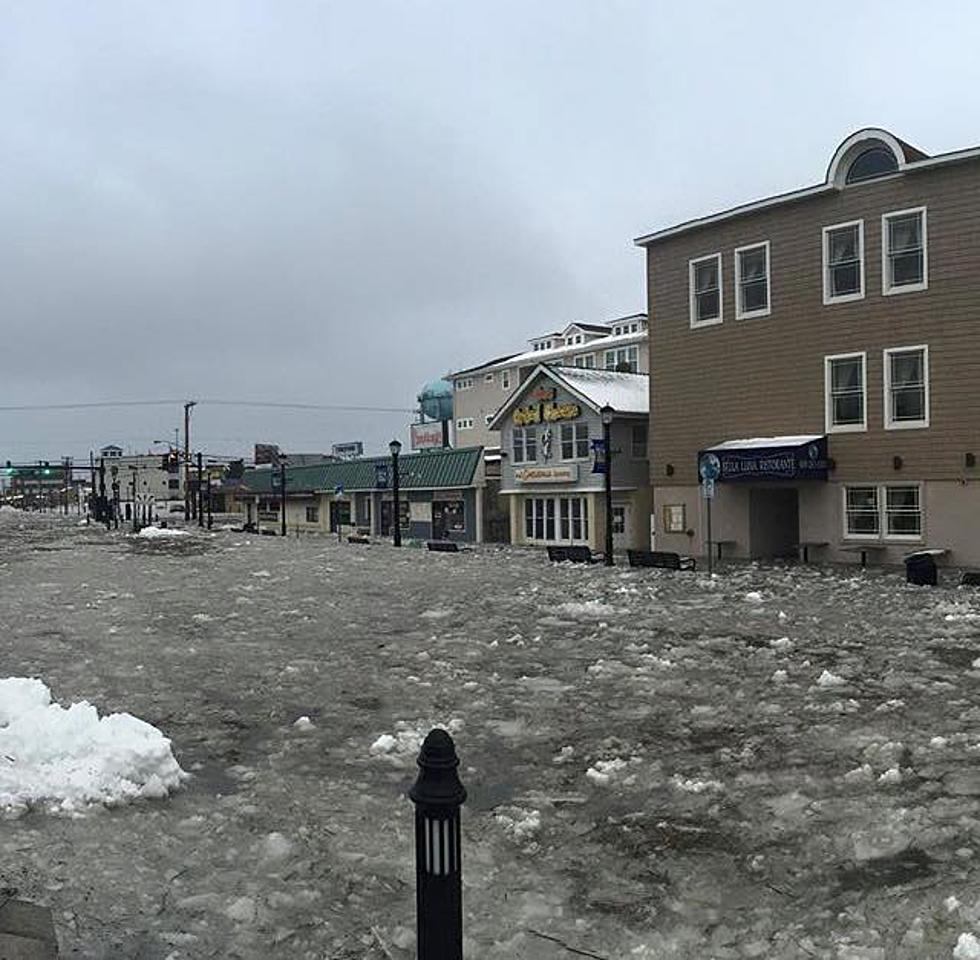
Fig 4 :Sea Isle City, NJ beach town flooding, by Jen Ursillo

New Jersey is not the first state that has made statements regarding their environmental actions. Back in June 2019, New York lawmakers agreed to pass a climate plan that calls for the state to eliminate all its greenhouse gas emissions by 2050. California has also been attempting to campaign environmentally friendly actions, as it has become a beacon for the entire nation’s climate change policies, specifically against President Trump’s actions. 

Yet, are these states putting their plans into action too late? By 2050, will there even be a New York or New Jersey coastline to talk about? In my opinion, power has to be used drastically and soon to combat the problem before it becomes too late, but as I said, there is only so much normal citizens can do. Yet, we still have to try.

How About New Energy Sources?

Last time, we talked about how the Earth is changing rapidly, mostly because of human behaviors and actions. Yet, it seems that a lot of people on this Earth are making decisions that move the struggle in the wrong direction. Firings are raging, ice is melting, and the human race is not changing. Today, I’m writing about one area that strides are starting to take shape, and hopefully can lead to bigger changes in the future: energy sources.

Climate Change

Now, I won’t hit on every new energy source, but rather on some that interest me and I think could have some real applications in the future of our ever-changing world.

First of all, a new device that is in the works because of some scientists from UCLA and Stanford that seems to be able to create energy from the dark and cold night sky. This device, which does not have an official name yet it seems, uses a thermoelectric generator that produces electricity when one side of the generator is cooler or hotter than the other. In this case of the night sky, the lack of heat it emits along with the device setup using a radiative cooler produces a difference in temperature between the two sides of the generator, thus creating electricity. Although the amount of electricity is little at this time, shaped down to a lightbulb, hopefully with furthering research and developments, technology similar to this device can be included as a renewable source of energy.

New device using thermoelectric generator

An additional source of clean energy that is taking off, specifically in California with plans to grow the infrastructure, is geothermal energy. This clean energy source requires a large plant that naturally taps into heated underground reservoirs to create steam and turn turbines. Although the technology can create renewable electricity around the clock, unlike wind or solar, it has been difficult to implement because of its high costs. As more introspection has been done onto the topic, the overall benefits seem to be outweighing the large cost that were originally holding plans back. 

Geothermal Plant
Geothermal energy potential map

One final technology that may assist in renewable and clean energy in the future is harnessing the kinetic energy of raindrops. A natural occurrence, water droplets produce some force and energy as they travel down to Earth during a storm. A new device, which is really a polymer, called PVDF (polyvinylidene fluoride) seems to hold “piezoelectric” properties, which means that when it undergoes a force or stress (in this case a raindrop), an electric current is produced within the material. Although the amount of energy is small, large storms could produce a decent amount of energy in this manner. 

Polyvinylidene Fluoride

With scientists and others working around the clock to brainstorm and produce new renewable energy sources, the human race has hope it can change its actions in respect to climate change. However, a real effort is going to have to be made.

The Earth is Changing. Are our Actions?

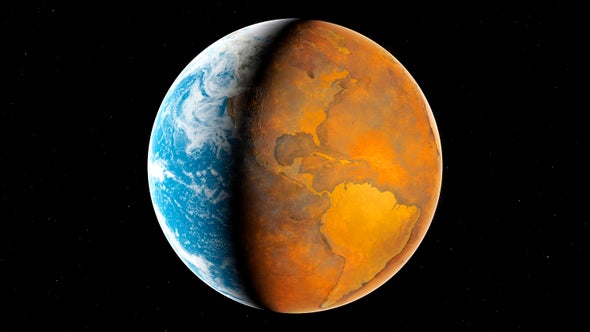
Let’s face it. Something has to change in regards to how humans are treating Earth. Our one and only planet, we need to treat it as the most important resource to maintain while also using its resources. Burning Australia, shrinking Antarctica and the North Pole, decimating Amazon Rainforest, all events that need to be slowed and stopped. The Earth is changing, and it’s not for the better. This is not at the fault of the grazing animals of the plains, or the migratory birds of North America, but rather the humans across the globe. We are the true culprits, and only we can be the true solution.

2019 was the second hottest year on record, behind only 2016 (top two hottest years in past 5 years!).The Greenland ice sheet melted by close to 50% of its size over the warmer months. Exceptionally high temperatures also played a role in the horrendous wildfires that are still continuing in Australia. The main cause for these rising temperatures: emissions of greenhouse gases trap heat in the atmosphere and thus causes major changes in the climate. “These are unquestionably alarming signs,” Jean-Noël Thépaut, director of Copernicus Climate Change Services, stated recently. 

Lindsey, Rebecca. “Climate.gov.” Climate.gov, 4 Sept. 2018, https://www.climate.gov/news-features/climate-qa/did-global-warming-stop-1998.

These above-average warming levels are alarming to officials, but also to citizens. Climate change was listed by 50% of European Union citizens as one of the three biggest challenges their country is facing, as outlined in Zoe Schneeweiss’ Bloomberg article. In the United States, only 39% of people see it as a large challenge, but I expect that number to rise in coming years. Larry Fink, an American billionaire businessman and CEO of BlackRock, wrote his annual letter to America’s corporate executives stating, “Climate change will upend global finance sooner than they might think.” As high-end executives begin to take this mindset, a solution can be passed down to employees and citizens, and real change can be enacted. 

BlackRock has been making quite the waves in climate action, especially as the world’s largest investor. Joining the climate action investing pact after criticism from activists, investors, and clients. This investment pact, titled Climate Action 100+, seeks to pressure companies whose activities expedite climate change through the use of its more than $41 trillion. 

The Earth is warming, and its rates are alarming, but what is being done about it? Hopefully, as this blog progresses, I hope that more positive results are seen. After all, Time didn’t name Climate crisis activist Greta Thunberg the Person of the Year in 2019 for no reason. Climate change is the most important problem the world faces at this time, and actions have to be taken.

Create your own website, free on WordPress.com.Create your own website.
Start free